
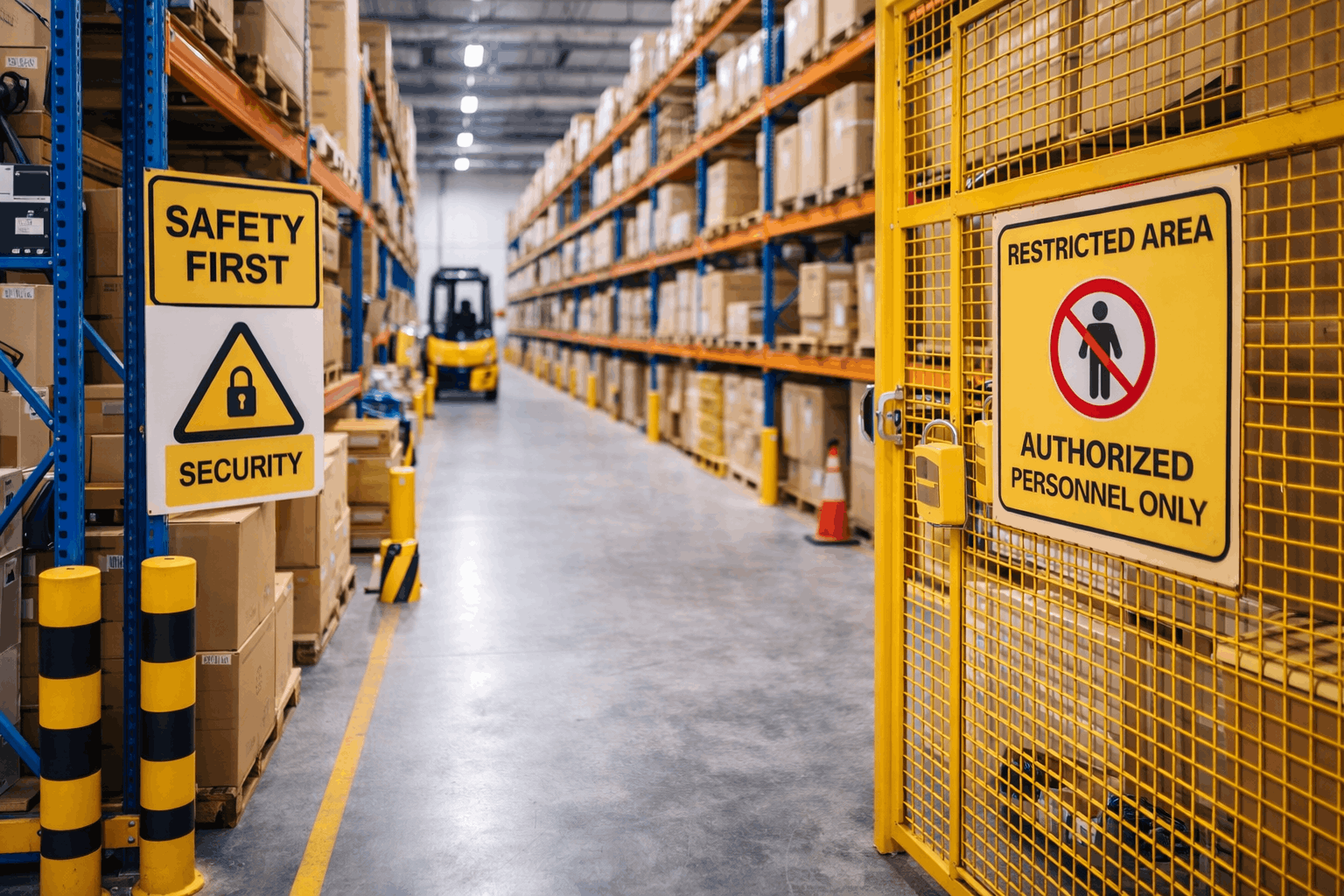
Best Practices for Safe & Secure Cargo Storage in Dubai Warehouses
Dubai is one of the world’s most important logistics gateways, handling high volumes of cargo across regional and global supply chains. With valuable, sensitive, and time-critical goods moving through its warehouses every day, safety and security are non-negotiable.
Professional warehouses in Dubai follow strict standards, advanced safety systems, and regulatory compliance frameworks to ensure cargo remains protected at every stage. Here’s a closer look at the best practices that define safe and secure cargo storage.
Adherence to International Safety Standards
Modern Dubai warehouses are designed and operated in line with internationally recognized safety and quality standards. These guidelines ensure consistent procedures for storage, handling, and movement of cargo.
Key practices include:
Clearly defined warehouse layouts and safe aisle spacing
Load-rated racking systems with regular inspections
Standard operating procedures (SOPs) for cargo handling
Trained and certified warehouse personnel
Following global standards minimizes risk and ensures operational consistency across all cargo categories.
Advanced Fire Protection Systems
Fire safety is a critical component of warehouse operations, especially when handling large volumes of goods. Professional warehouses in Dubai are equipped with comprehensive fire detection and suppression systems.
These typically include:
Smoke and heat detection sensors
Automatic sprinkler systems
Fire-resistant building materials
Clearly marked emergency exits and evacuation plans
Regular audits, system testing, and staff fire-safety training ensure readiness at all times.
Regulatory Compliance & Documentation
Compliance with local authorities and free zone regulations is essential for warehouse operations in Dubai. Professional logistics facilities maintain full adherence to safety, environmental, and operational requirements.
This includes:
Compliance with civil defense and fire safety regulations
Proper licensing and inspection approvals
Accurate cargo documentation and audit trails
Secure handling of regulated or sensitive goods
Strict compliance protects both the cargo and the business from legal or operational risks.
Security Systems for High-Value Cargo
High-value cargo demands enhanced protection. Modern warehouses deploy multi-layered security systems to prevent theft, damage, or unauthorized access.
Security measures include:
24/7 CCTV surveillance and monitored zones
Controlled access points with authorization protocols
Digital tracking of cargo movement
Restricted areas for sensitive or high-value goods
These measures ensure full visibility and accountability throughout the storage lifecycle.
Smart Storage & Handling Practices
Safe storage is not only about security—it’s also about proper handling. Warehouses use smart storage techniques to protect cargo integrity, including:
Temperature-controlled storage for sensitive goods
Proper palletization and stacking methods
Segregated zones for different cargo types
Clean, well-maintained storage environments
These practices reduce damage risks and maintain product quality.
The Role of Professional Warehouse Management
A secure warehouse is only as strong as its management. Experienced logistics providers combine technology, trained manpower, and proven processes to ensure smooth operations.
Facilities operated by Transmarine Cargo follow structured safety protocols, advanced security systems, and compliance-driven processes to safeguard cargo while maintaining operational efficiency.
Conclusion
Safe and secure cargo storage is the foundation of reliable logistics operations in Dubai. By following international safety standards, implementing robust fire protection systems, maintaining regulatory compliance, and deploying advanced security measures, professional warehouses protect cargo and ensure business continuity.
For companies handling valuable or sensitive goods, choosing a warehouse partner that prioritizes safety and security is not just a best practice—it’s a strategic necessity.
Leave a reply
Your email address will not be published. Required fields are marked *